From understanding to equipping educators with digital tools to assisting individuals with learning difficulties.
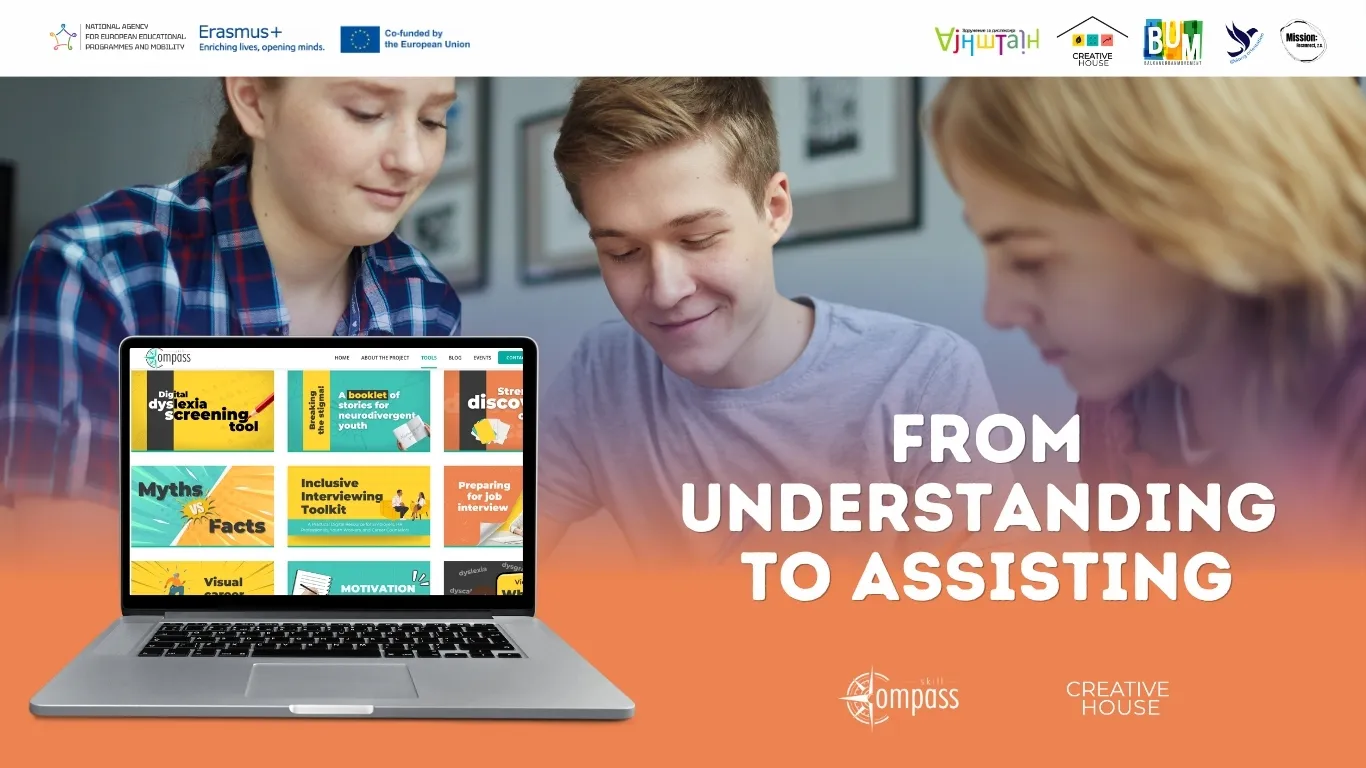
From understanding learning difficulties in people, overcoming stigma about it and implementing strategies to assist in learning – the 10 tools created with the Skill Compass project chronologically cover the aforementioned aspects. Тhe webinars for the presentation of the tools came in this order to serve as lead to the research, recognizing, accepting, understanding and use of the created tools.
The 10 digital tools have been produced in the frames of the Skill Compass – Empowering Youth with learning Difficulties through Career Guidance Tools project to address the needs of teachers, career counselors, educators, youth professionals in their work with individuals with learning difficulties. Learners with Dyslexia, Dyscalculia, ADHD and other conditions now possess free digital tools to assist them in their learning, setting and achieving career goals, enrollment in studies, and upgrading their career goals.
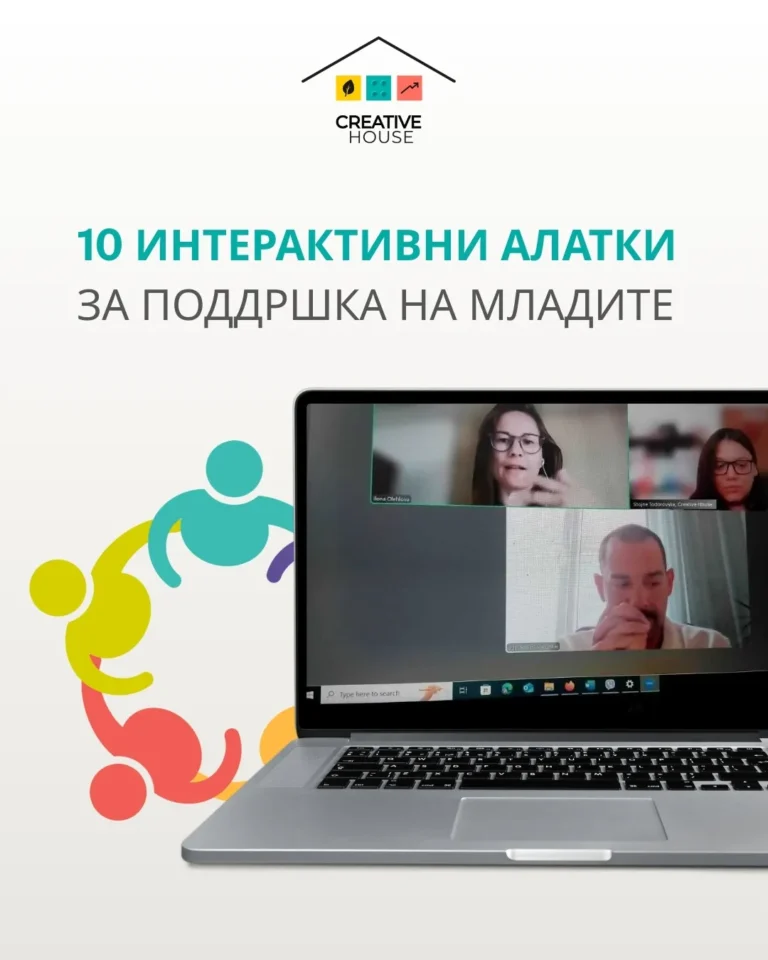
The presentation of the tools in front of the wider public came in order that follows the one of learning about the conditions, acknowledging the stigma around it, and finally presenting and implementing concrete learning tools to assist in achieving learning and career goals. The webinars implemented by Creative House began with Understanding Dyslexia tool to set the basis for a clear explanation and understanding of the condition. The webinars continued with the presentation of the What If..? video series where every condition is explained in a talkative and easy-to-understand manner, and states that people aged 7 to 77 can face these differences. Also, the No Stigma brochure consisting of case studies and real examples to address the stigma about the learning difficulties.
From the third webinar onward, the concrete career guidance tools and strategies have been made public.
On the third webinar the participants talked to an internationally experienced career guidance educator. The educator shared their expertise and presented tools that cover job interview, concerning inclusiveness in their implementation, and preparation of the candidate for their first job interview.
The last four digital tools, presented in two webinars touched upon the motivation of the person with difficulties in learning, tracking their strengths, and acknowledging their needs on the way to their job search and job applications.
The 10 tools created and the order in which they were promoted to educators and learners follow the path of learning about the difficulties, acknowledging the issues these people face, to overcoming stigmas and accepting, and tailored tools and strategies to work with individuals with learning difficulties. In the long term, these tools will help both educators and learners to improve their everyday work and set up new goals for themselves.
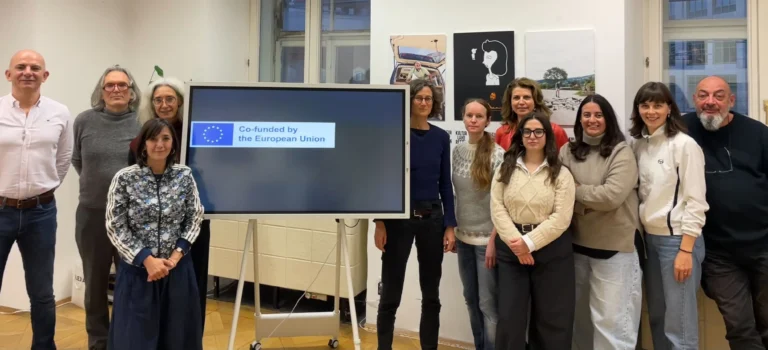
The Skill Compass project is co-funded by the European Union and implemented by Creative House, Dyslexia Association Einstein,BULAIR 20A, Udruzenje Gradjana BUM and Mission: Reconnect.
https://epale.ec.europa.eu/en/blog/understanding-accepting-and-assisting: Understanding, Accepting and Assisting